Amanda Perols
2025
Master degree project
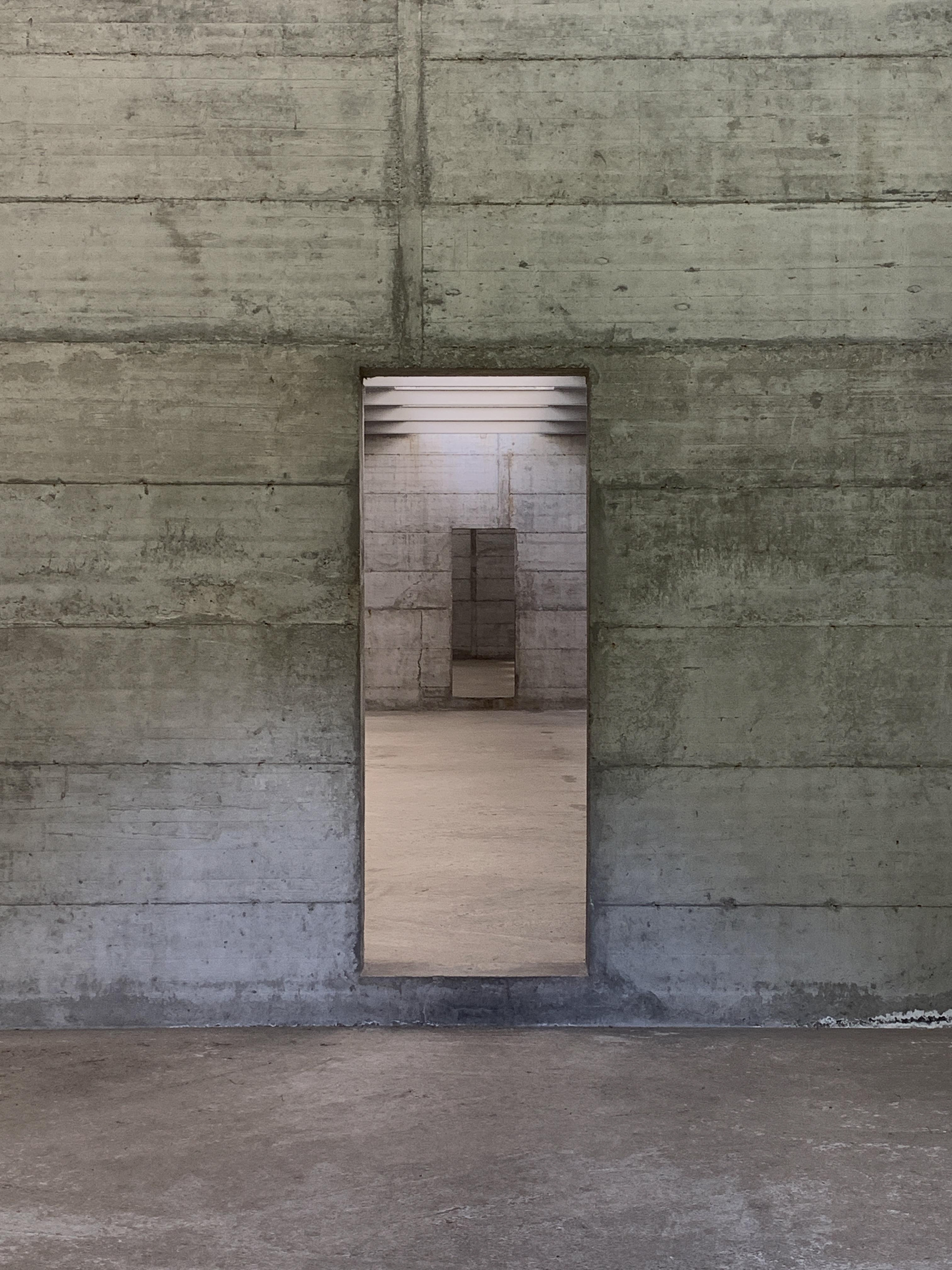
Nyhamnen, once defined by industrial activities, ferry terminals and harbour functions, will in the future become Malmö’s new neighborhood with thousands of new housings, workplaces and city functions. Today the area stands empty, defined by large vacant spaces closed of by fences. The area awaits in silence, standing on the threshold between past and future.
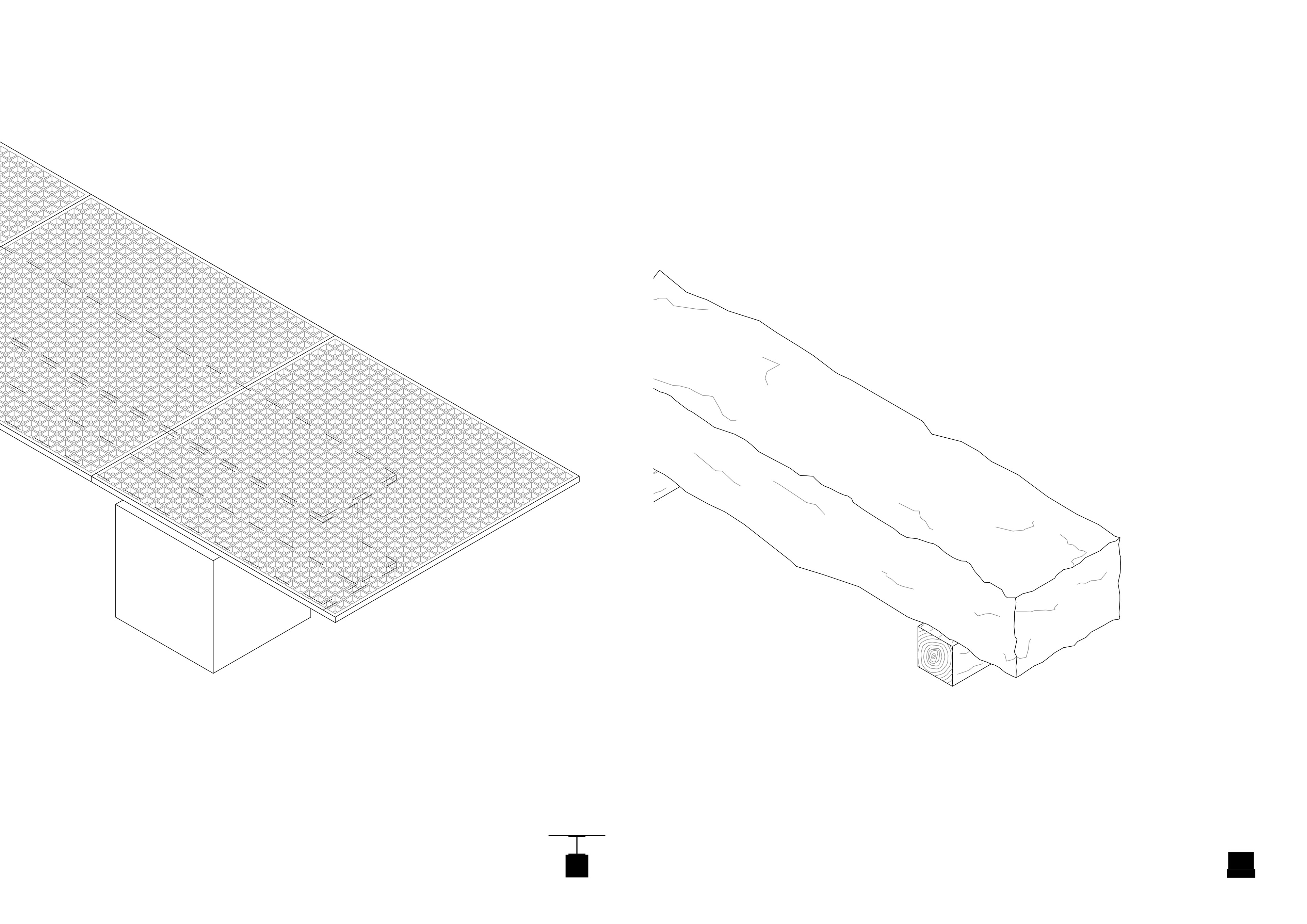
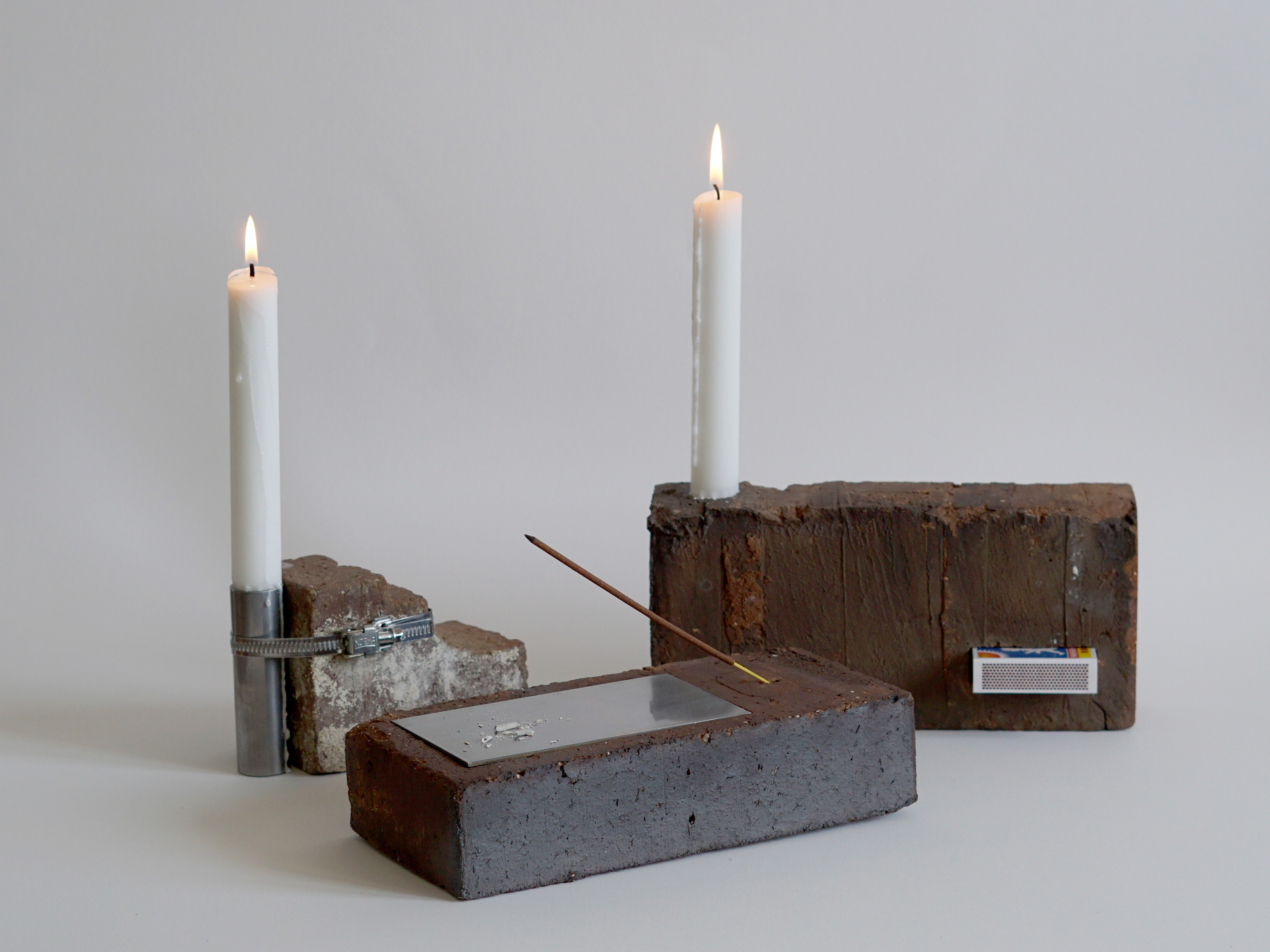
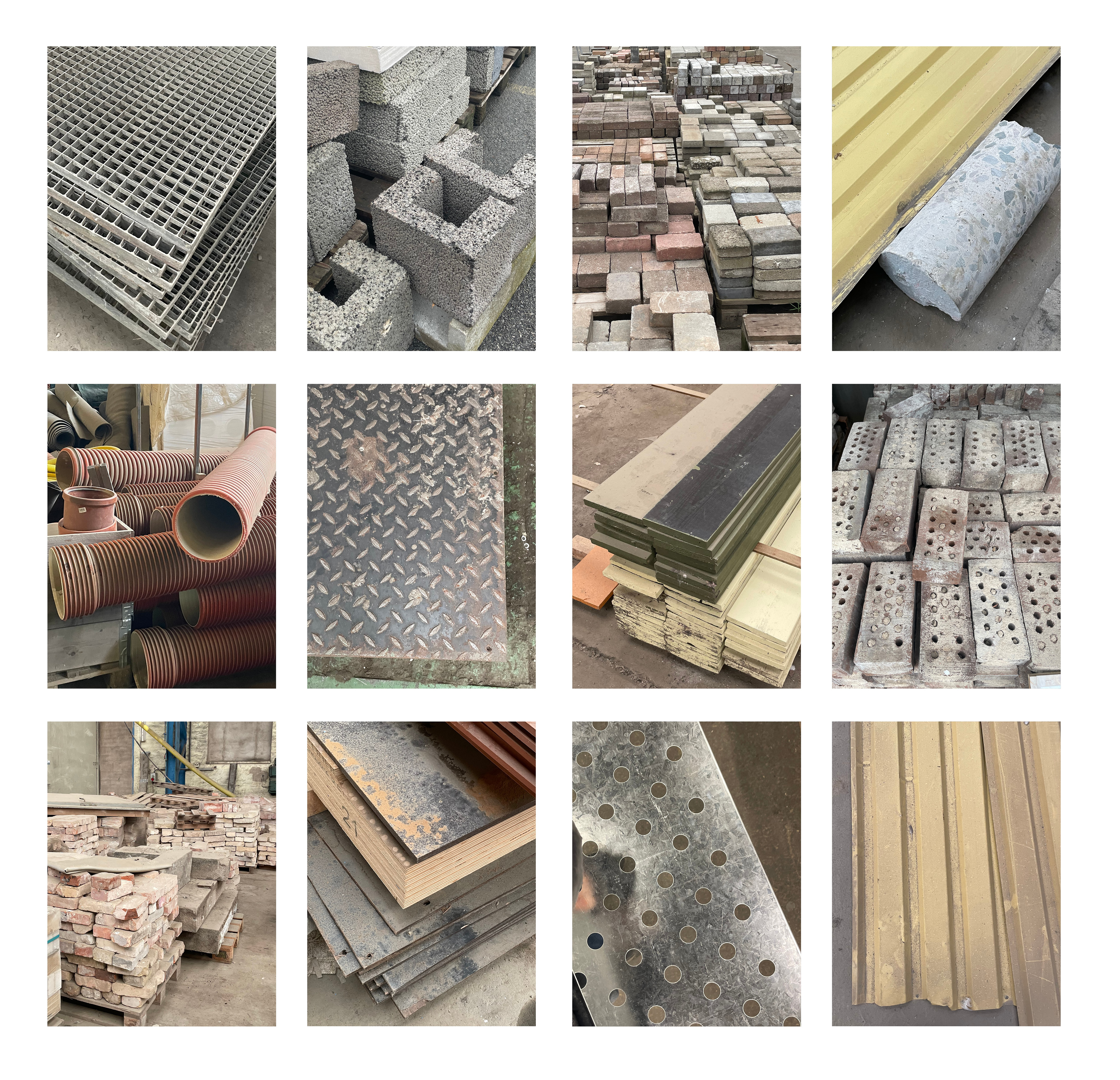
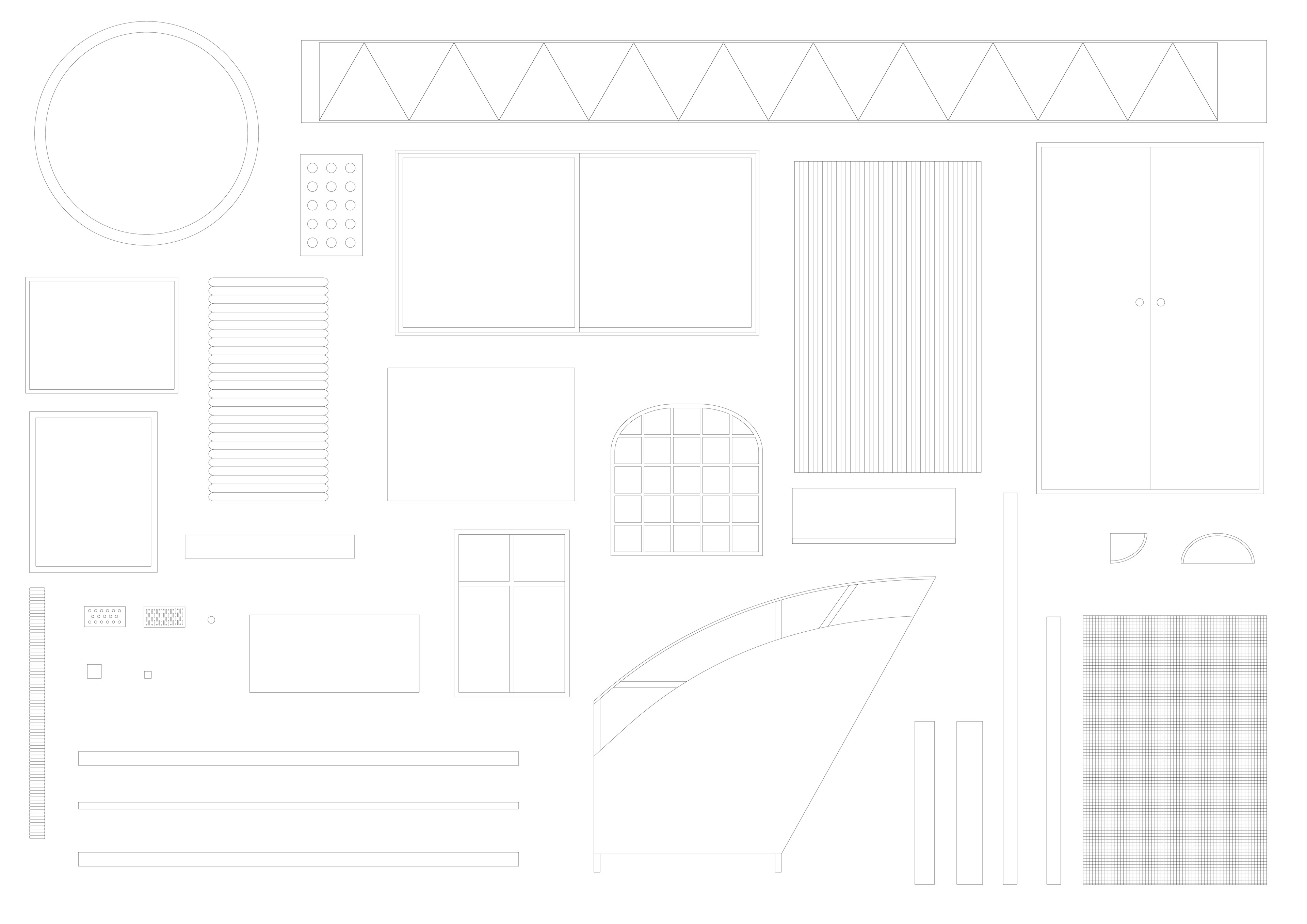
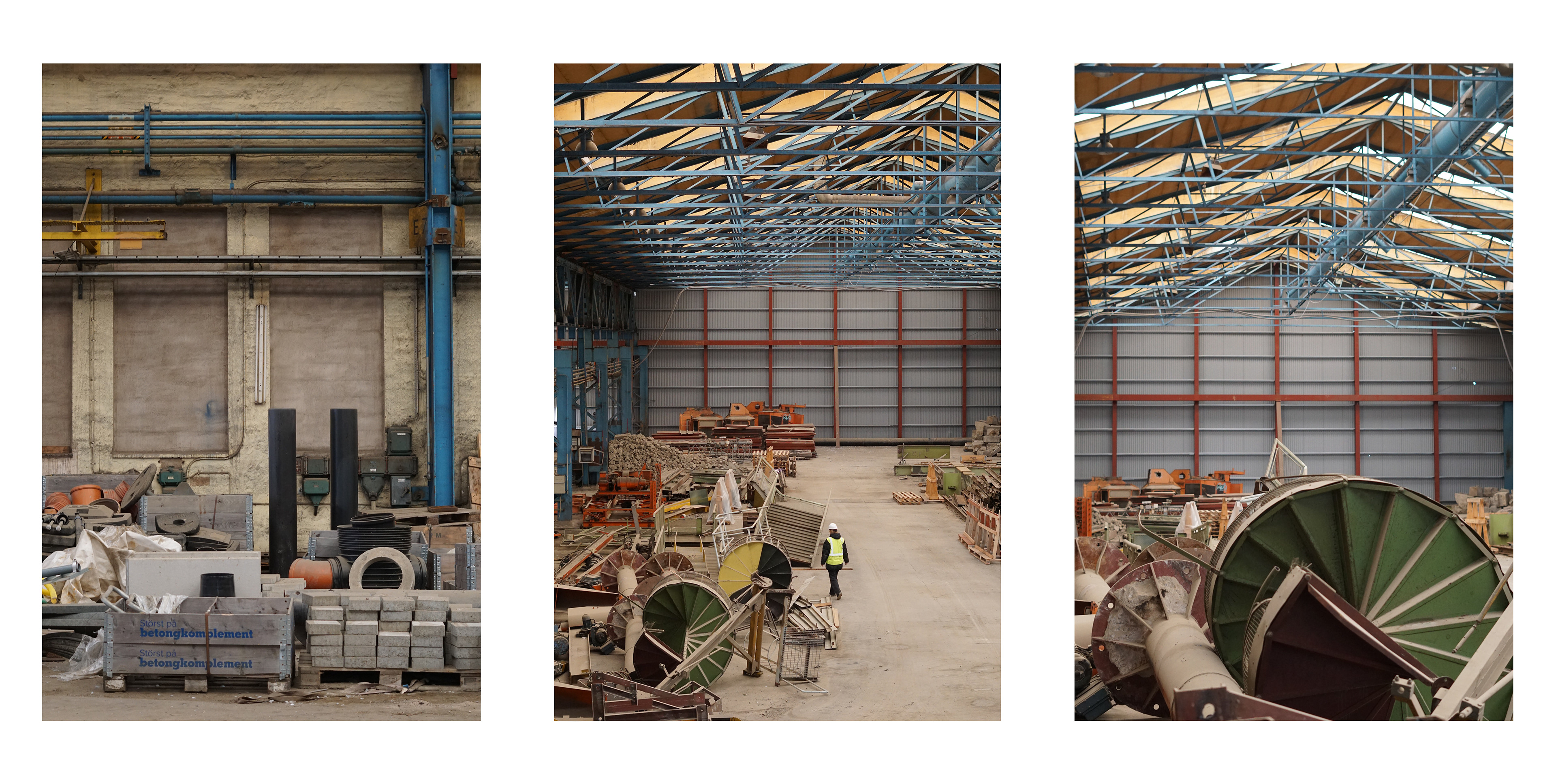
In close proximity to the site, there are two material banks. The initial phase of this theses involved mapping the material available in these two banks. Measuring, documenting, writing, inspecting, sketching, testing and accepting.
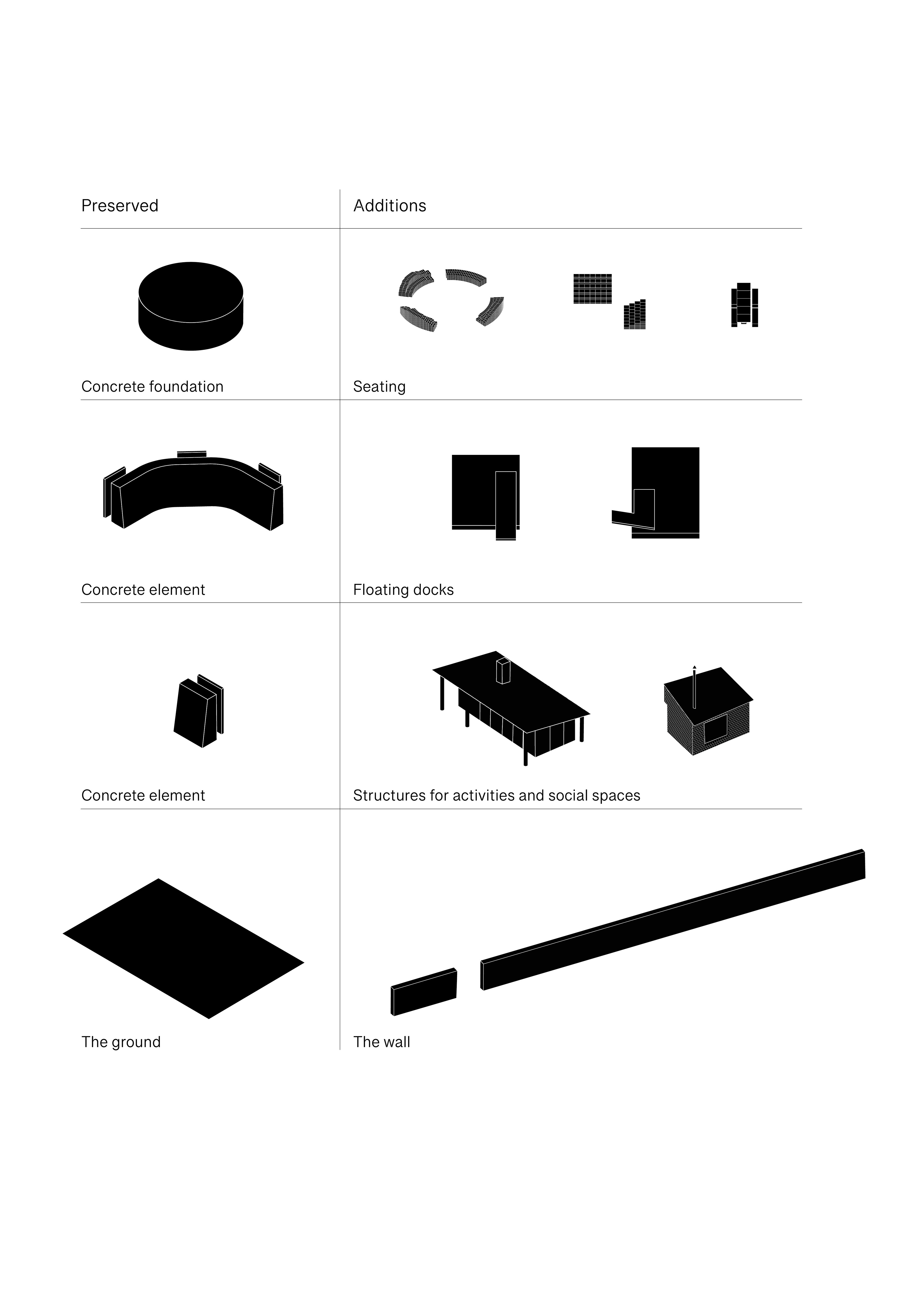
In this project, reuse is more than sustainability, it becomes a method of design. The project uses what is already stored in the material banks and the design is guided by the principal form follows availability. Through new compositions of the reclaimed material, the project allows the city’s material memory to continue into it’s future and explores how this can activate a site in waiting. The project explores the question: How can meanwhile use of site and material strengthen one another?
By enabling new forms of appropriation, the site can gradually become part of the citizens habits and memories. As more people develop routines and a desire to dwell here, the emerging neighborhood gains a stronger start when completed. In this way, an urban void can be transformed into a place of collective memory.
In close proximity to the site, there are two material banks. The initial phase of this theses involved mapping the material available in these two banks. Measuring, documenting, writing, inspecting, sketching, testing and accepting.
In this project, reuse is more than sustainability, it becomes a method of design. The project uses what is already stored in the material banks and the design is guided by the principal form follows availability. Through new compositions of the reclaimed material, the project allows the city’s material memory to continue into it’s future and explores how this can activate a site in waiting. The project explores the question: How can meanwhile use of site and material strengthen one another?
By enabling new forms of appropriation, the site can gradually become part of the citizens habits and memories. As more people develop routines and a desire to dwell here, the emerging neighborhood gains a stronger start when completed. In this way, an urban void can be transformed into a place of collective memory.
Presented here are parts of the design proposal, a result of the investigation of site, material and the concept of meanwhile use. Full report available here.

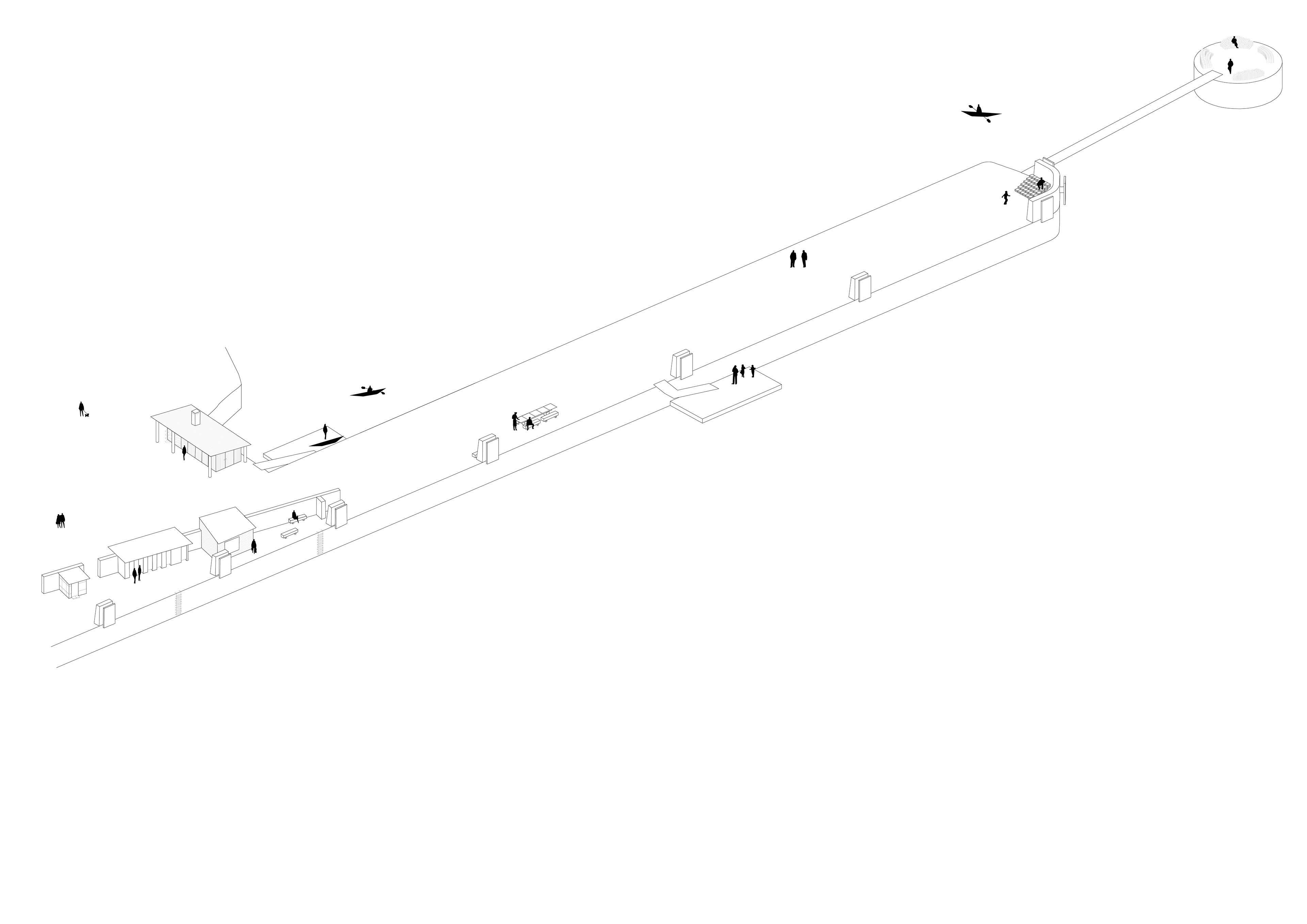
The Pavilion
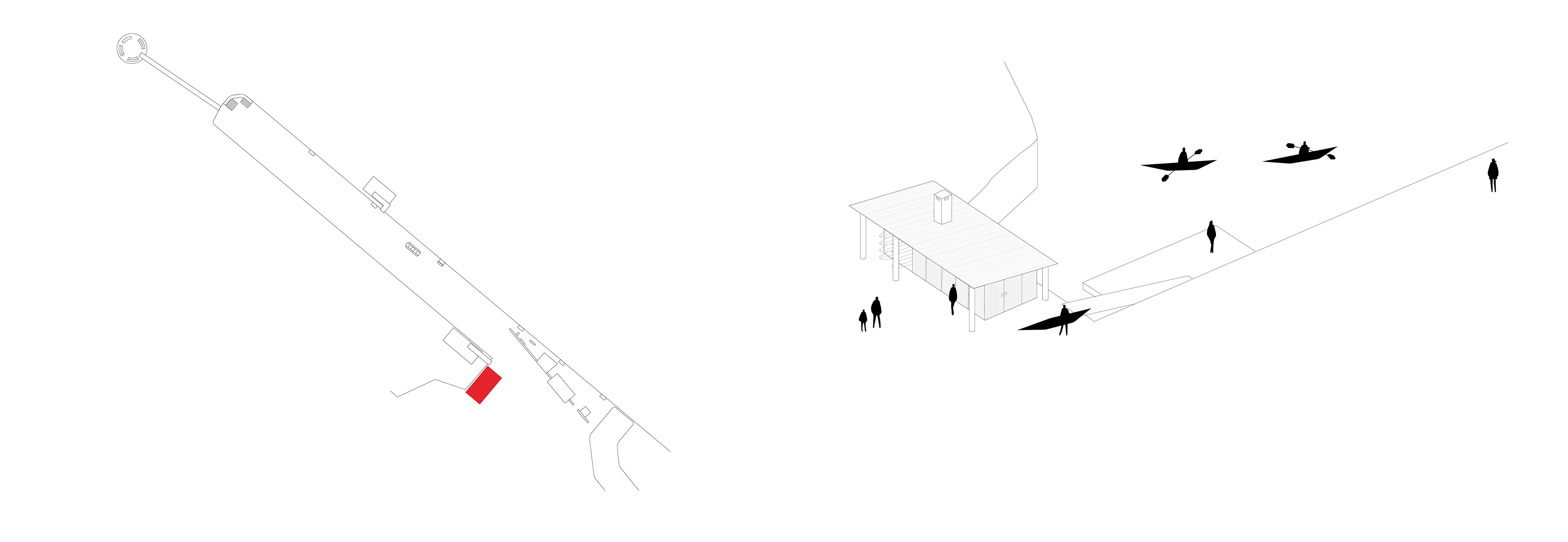
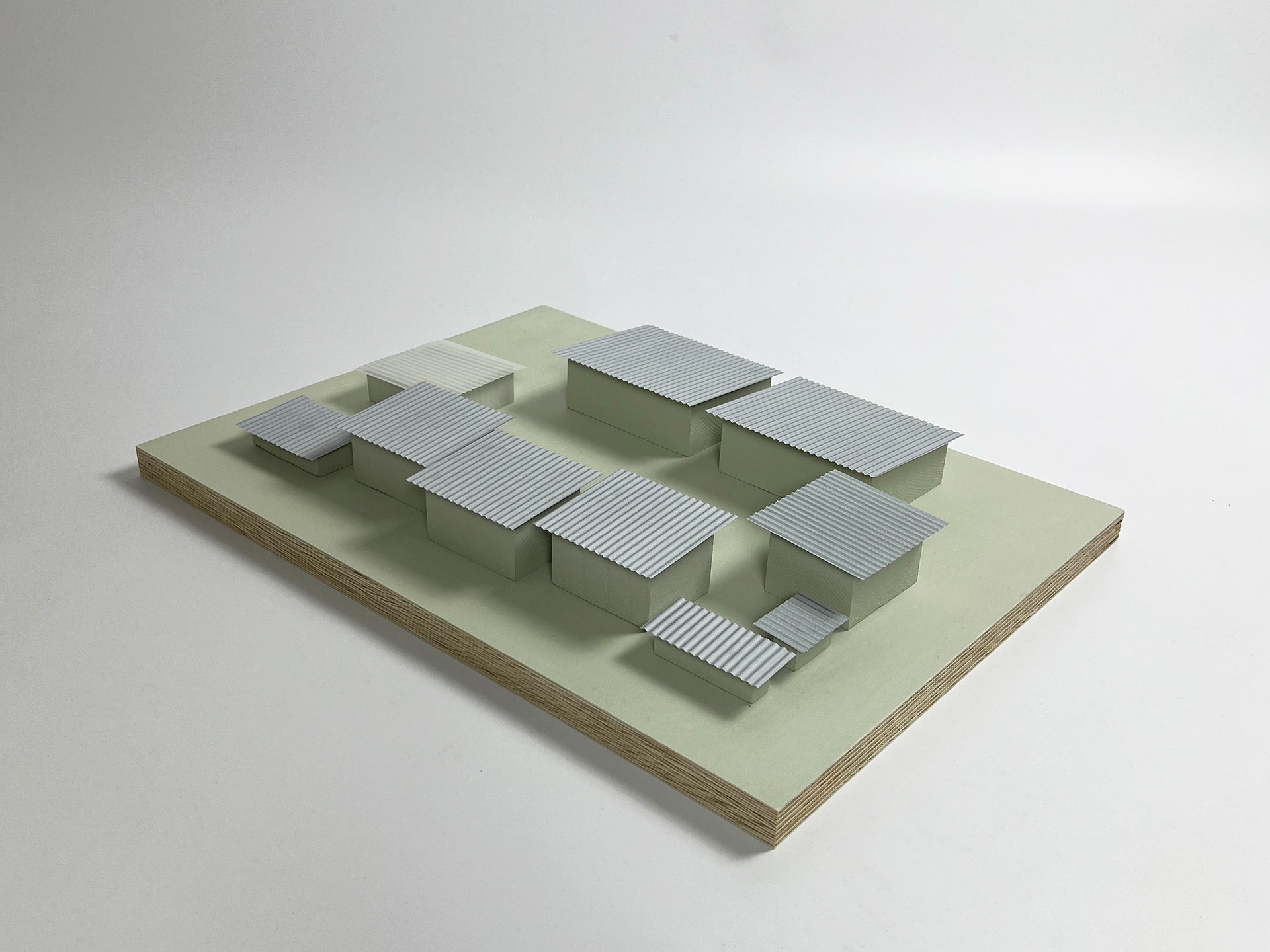
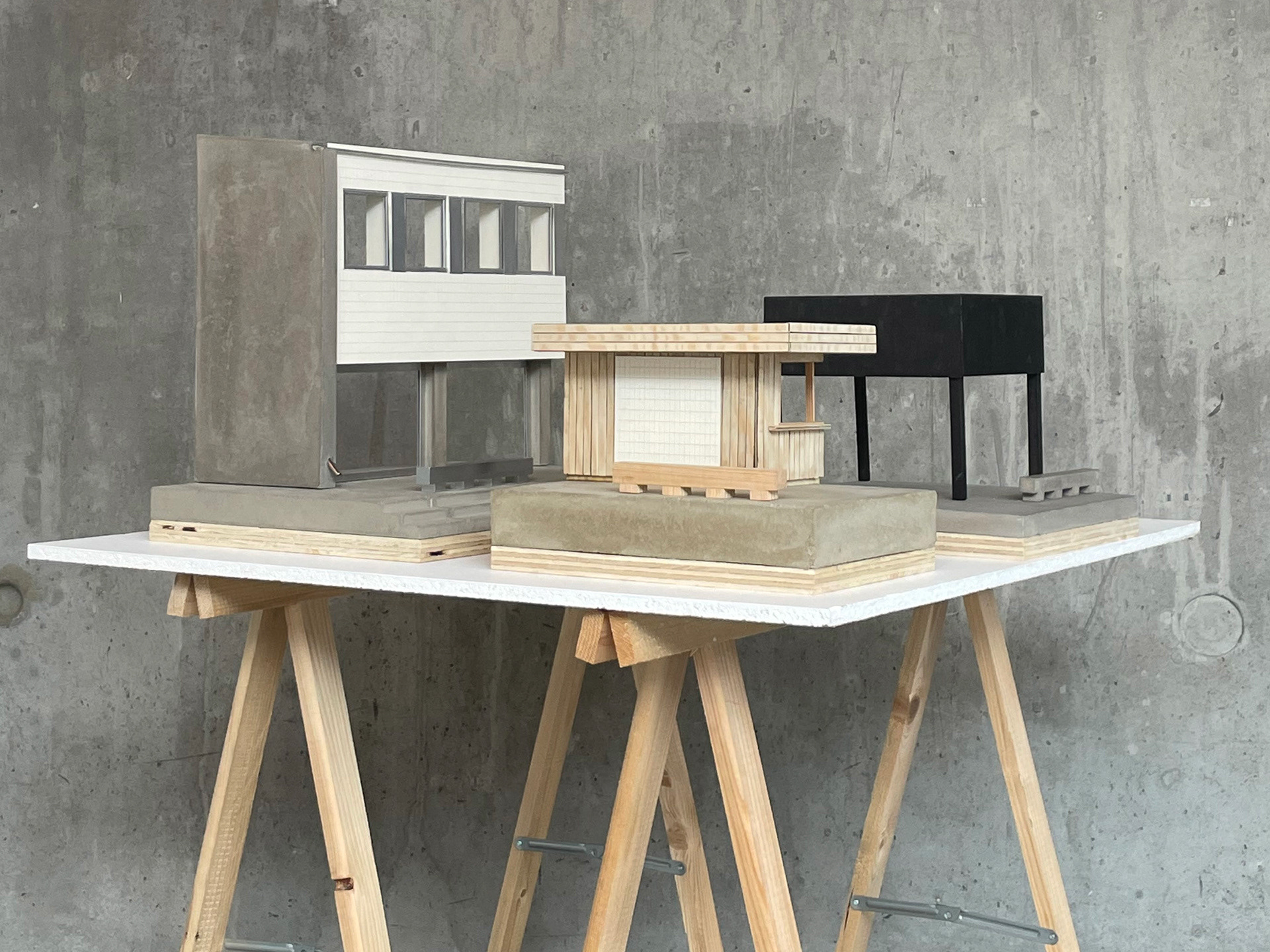
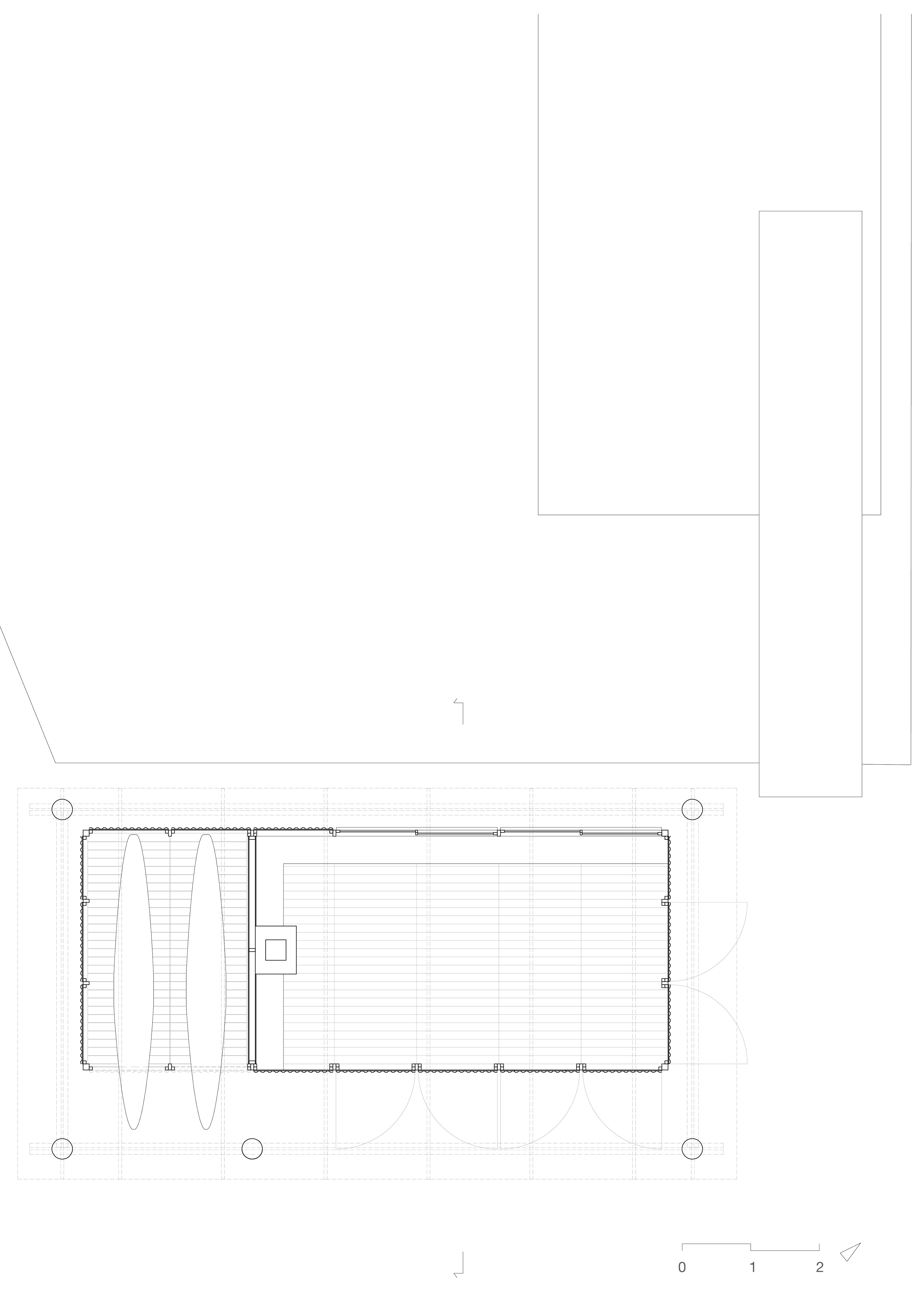
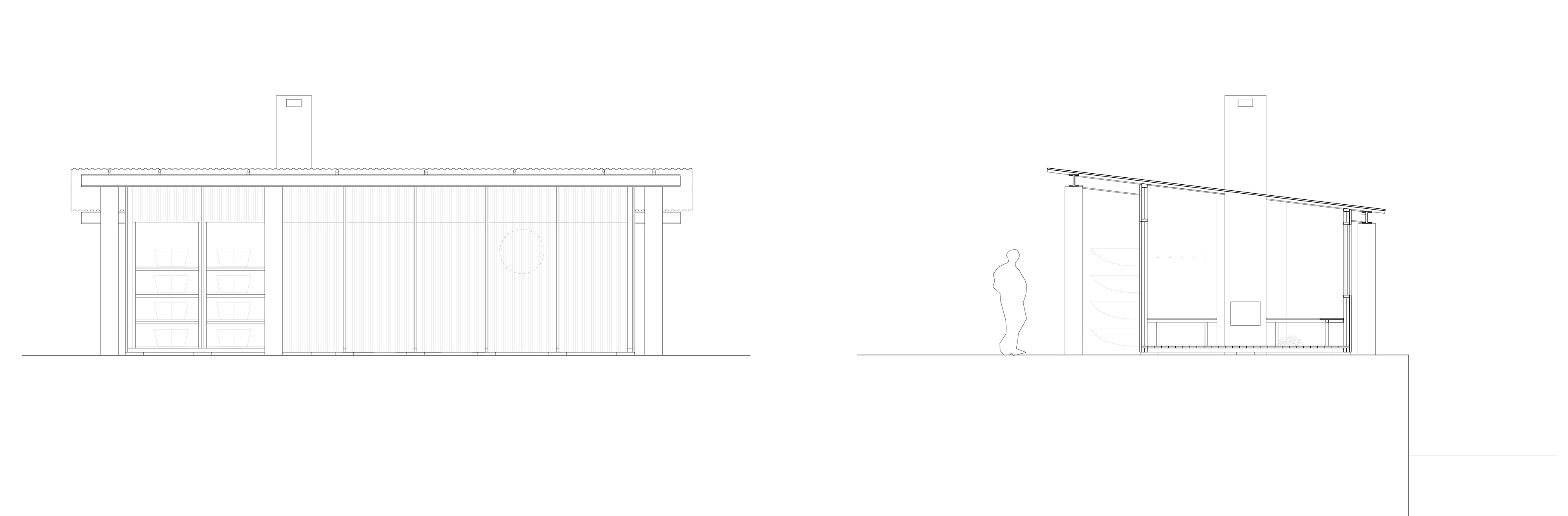
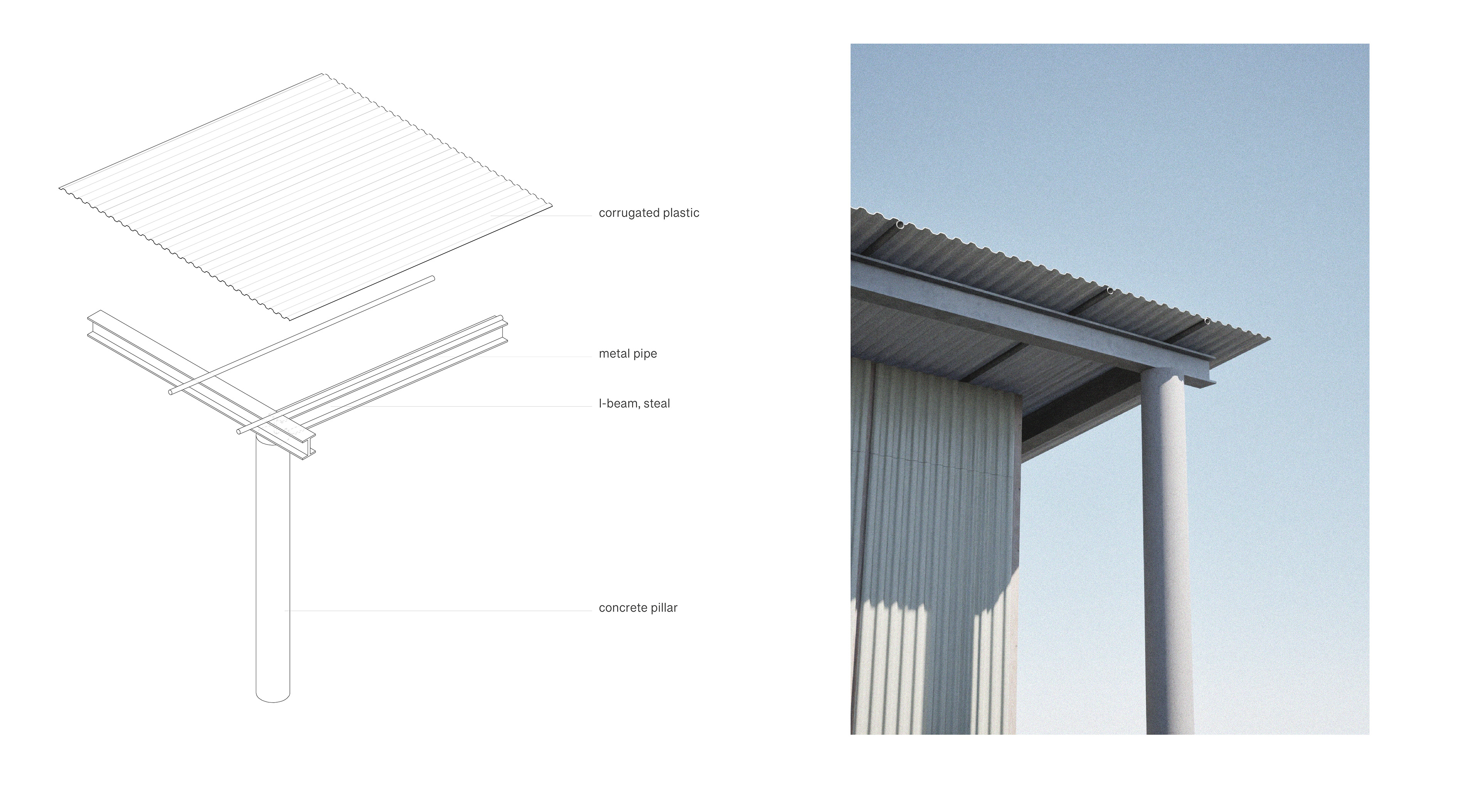
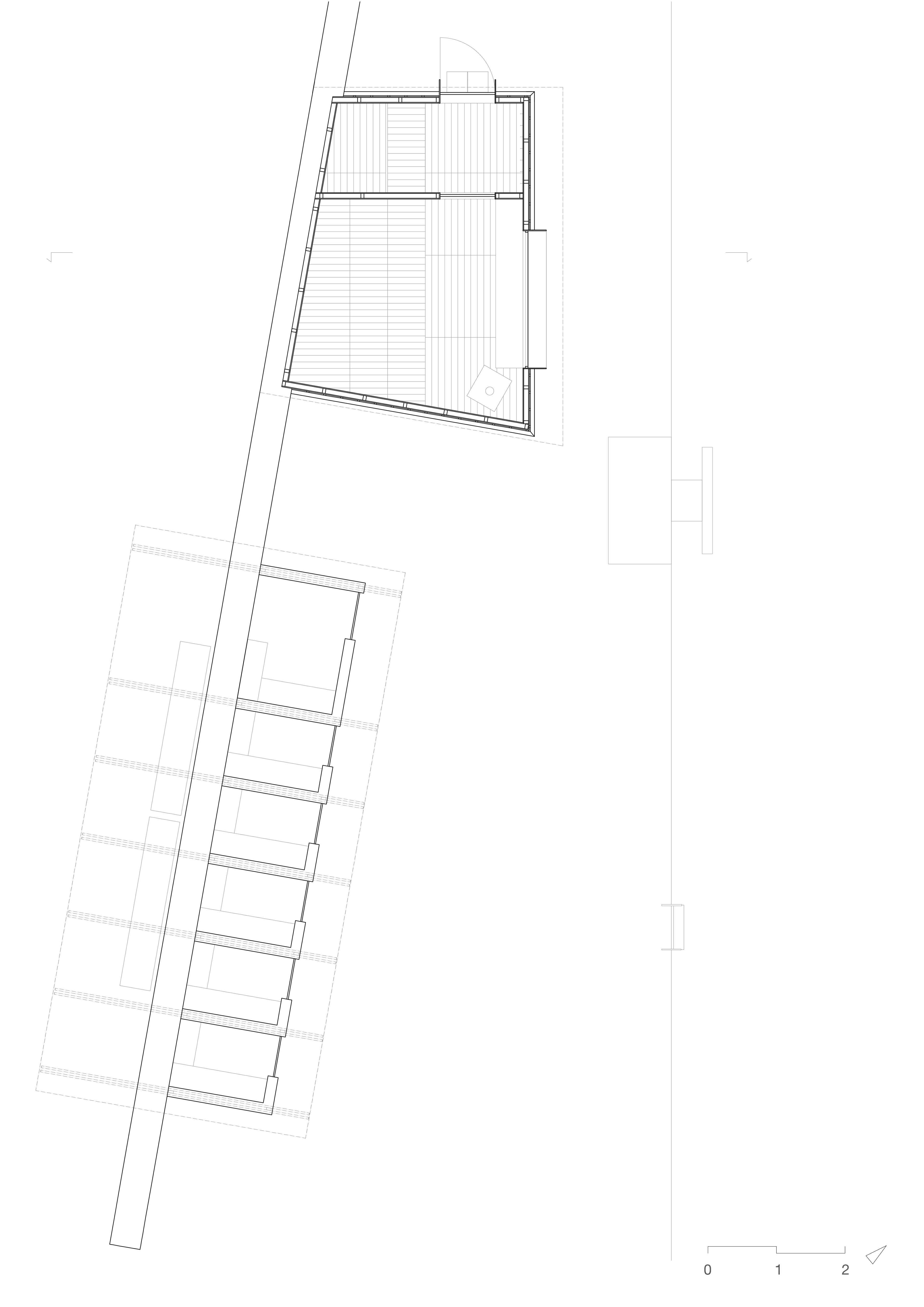
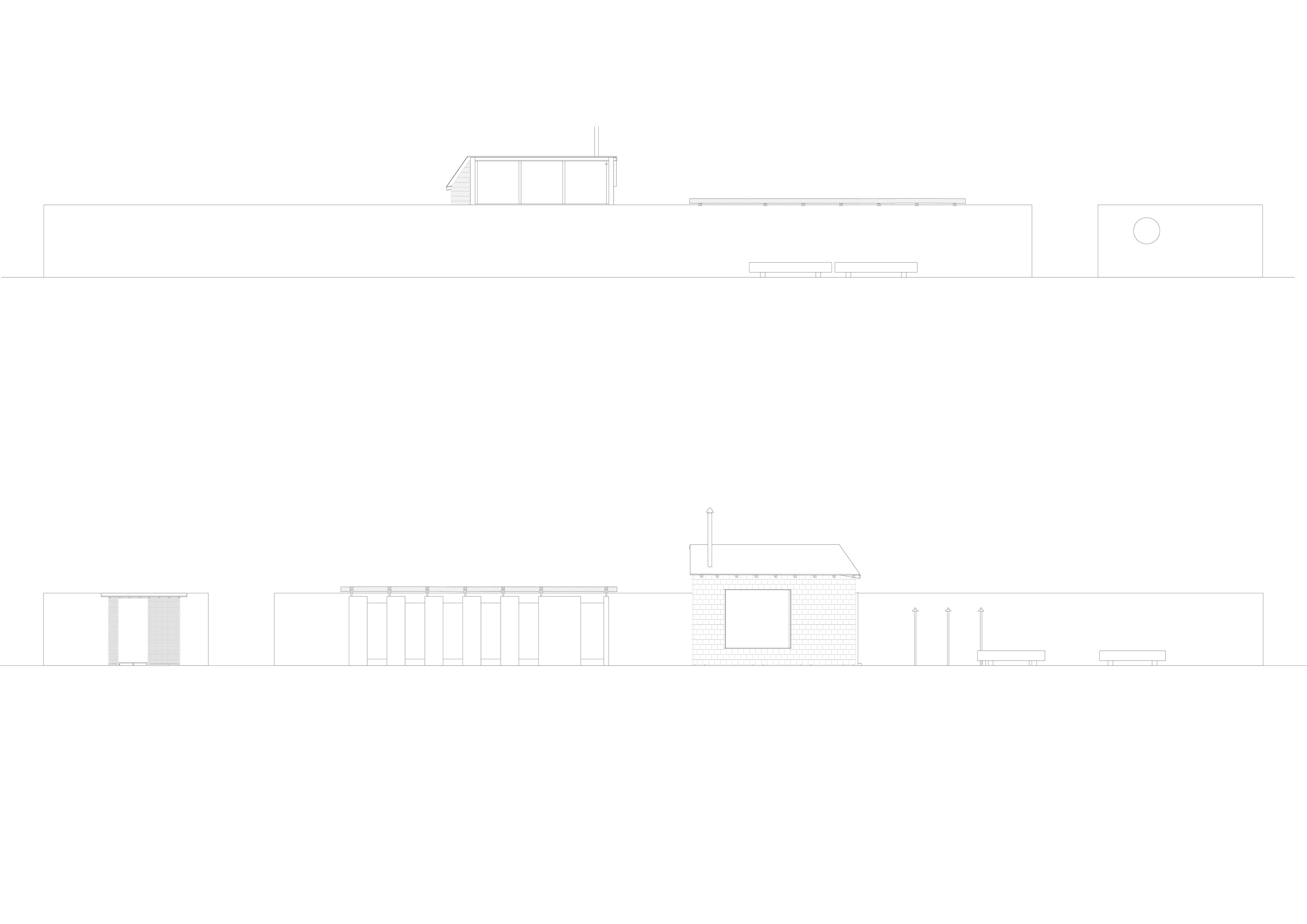
The pavilion consists of two parts; an open space with a self-service kayak rental and a pavilion for kayakers. The pavilion can open up towards the new square, offers views of the water and is heated by a wood-burning stove. Here, kayaking activities such as lessons, gatherings, rests or meetings can take place.

The Sauna
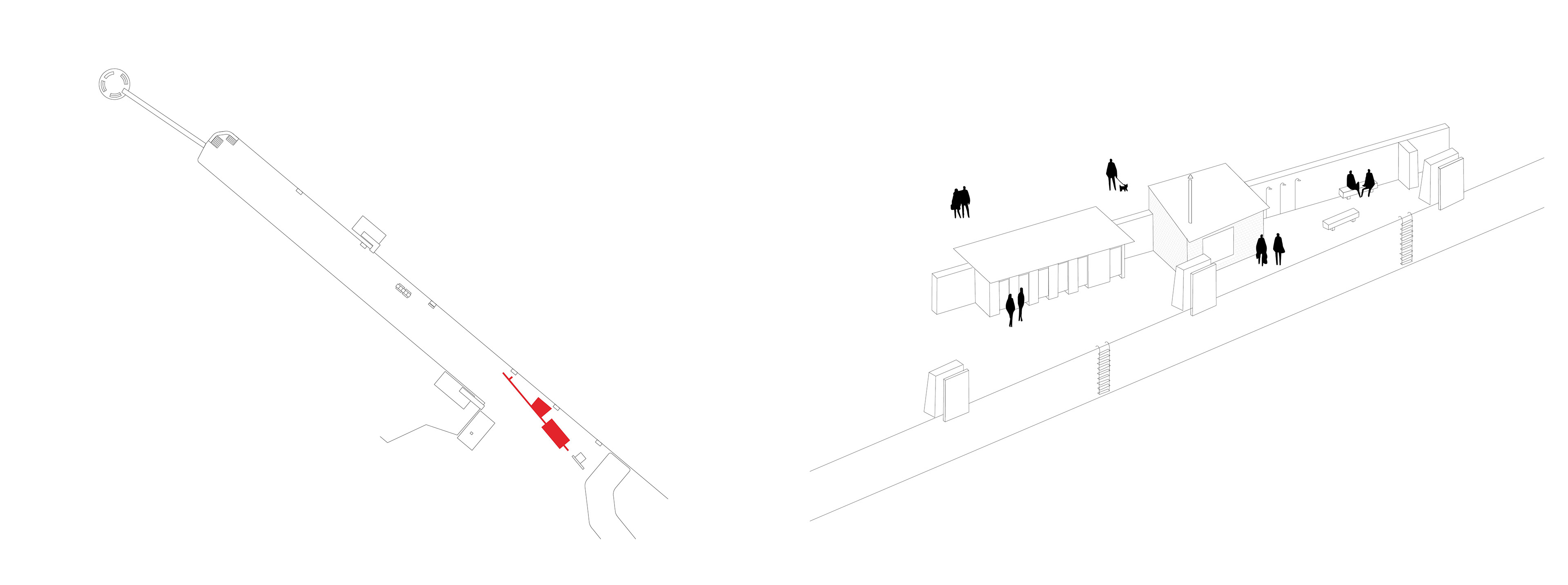
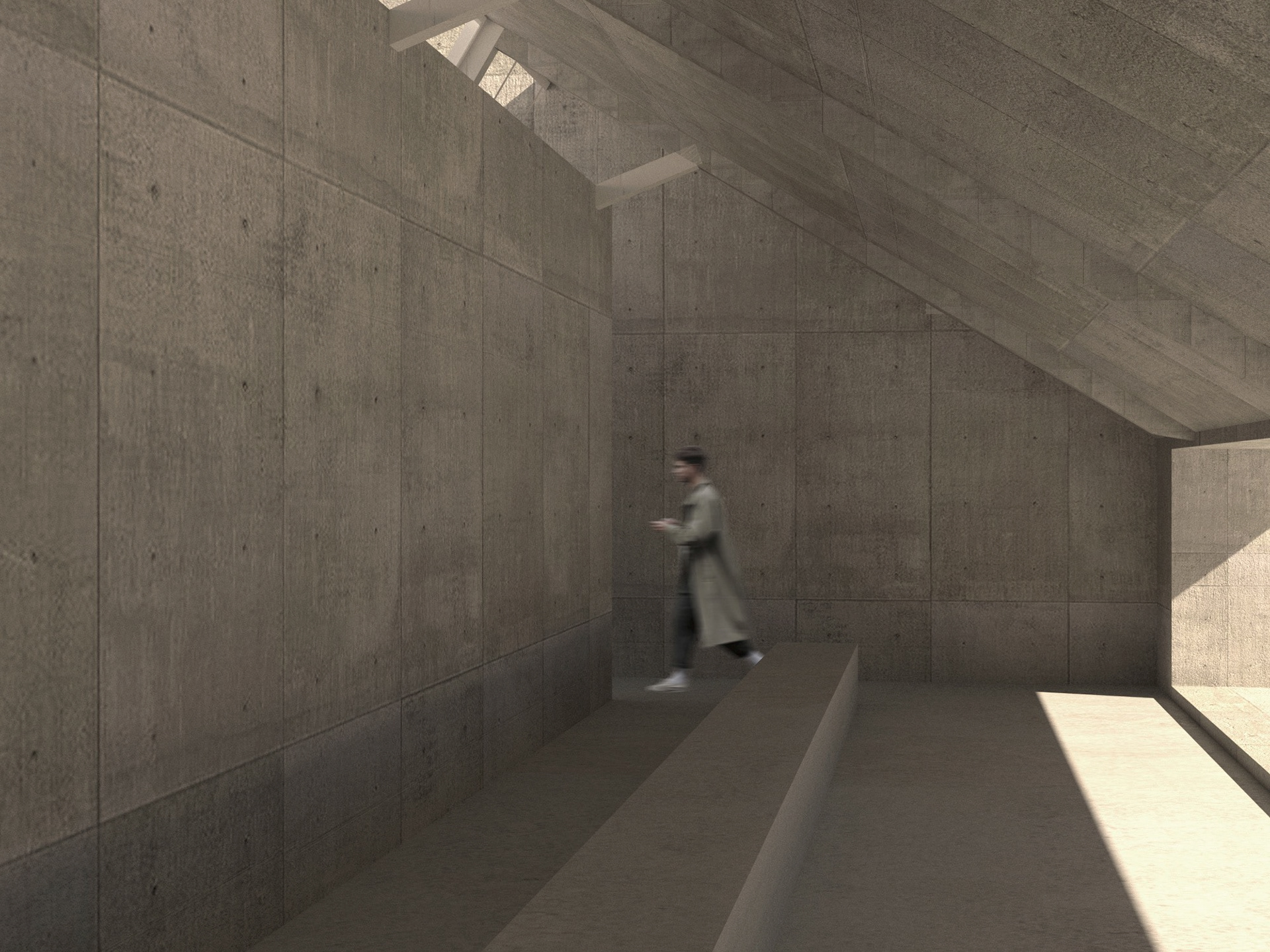
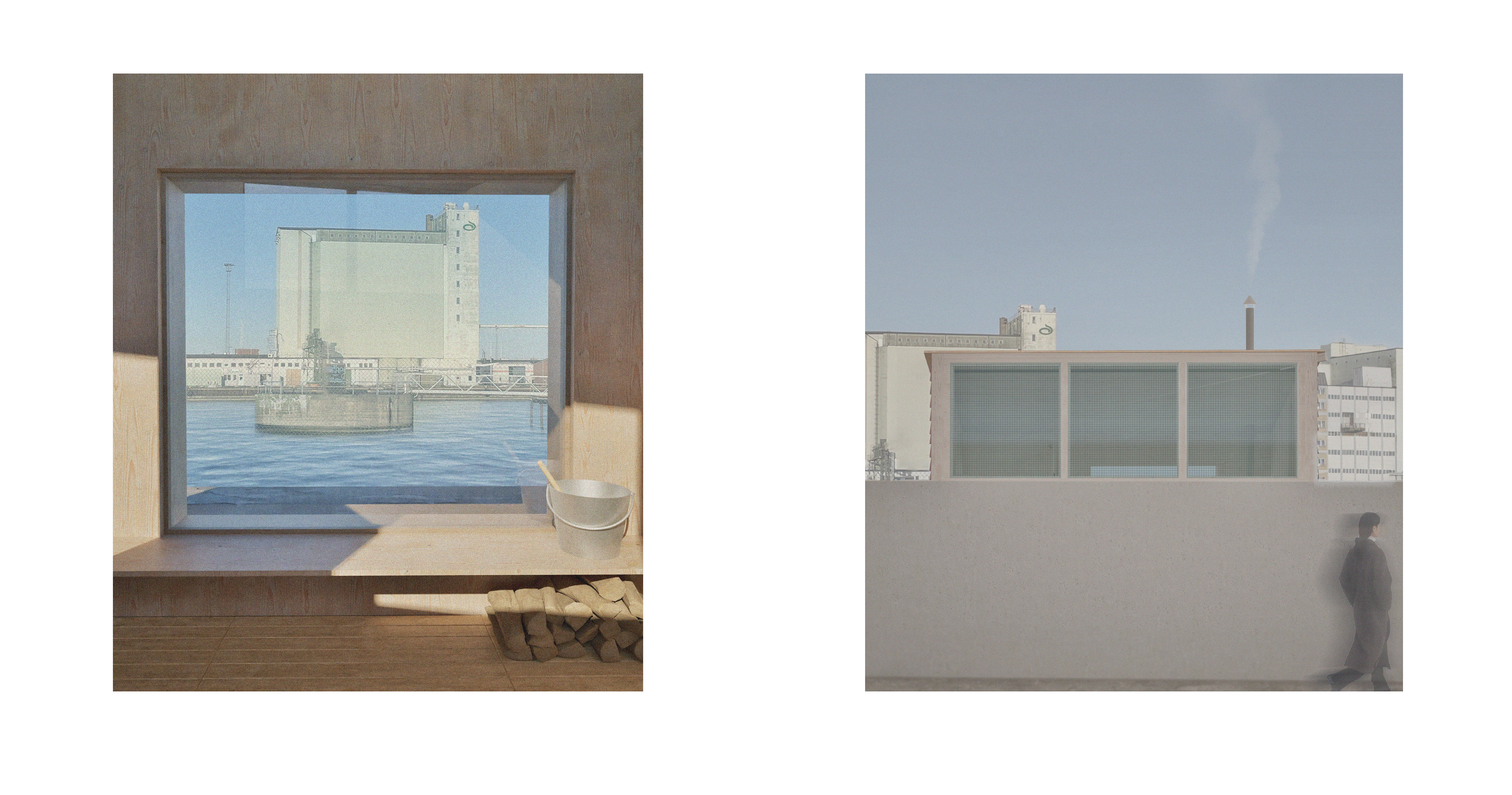
The sauna is positioned behind a long wall.
The wall creates direction towards the pier while providing seating, backrests, and shelter.
The wall creates direction towards the pier while providing seating, backrests, and shelter.
On one side of the wall, facing the pavilion, a more public space is created. Behind the wall, the space becomes more secluded. Here, the sauna is located together with changing rooms, outdoor showers and seating.

The Pier
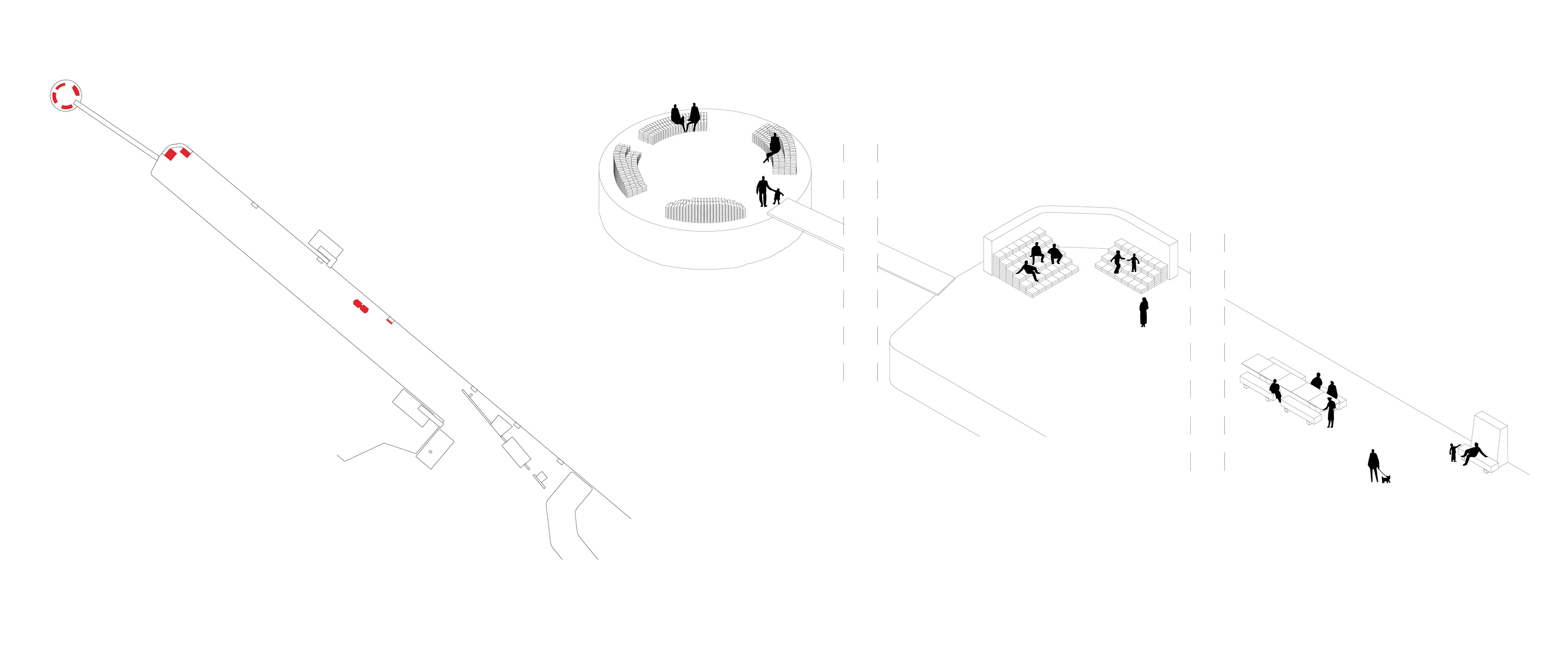
The pier is the most public space of the project.
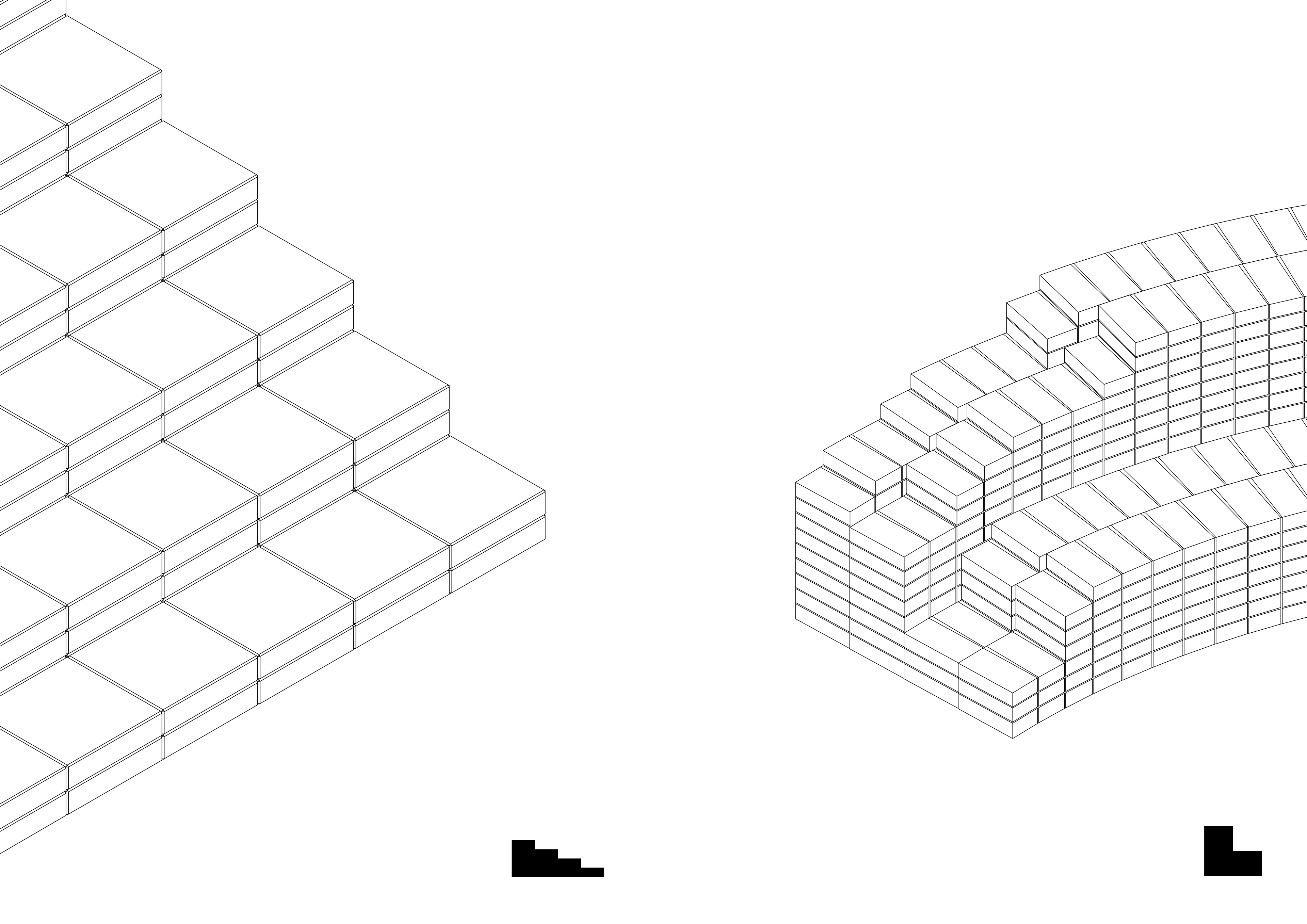
Here, the threshold for use is intended to be as low as possible. The pier offers three different seating areas, each with a distinct design to provide varying conditions for wind, sun, and use.
Here, the threshold for use is intended to be as low as possible. The pier offers three different seating areas, each with a distinct design to provide varying conditions for wind, sun, and use.